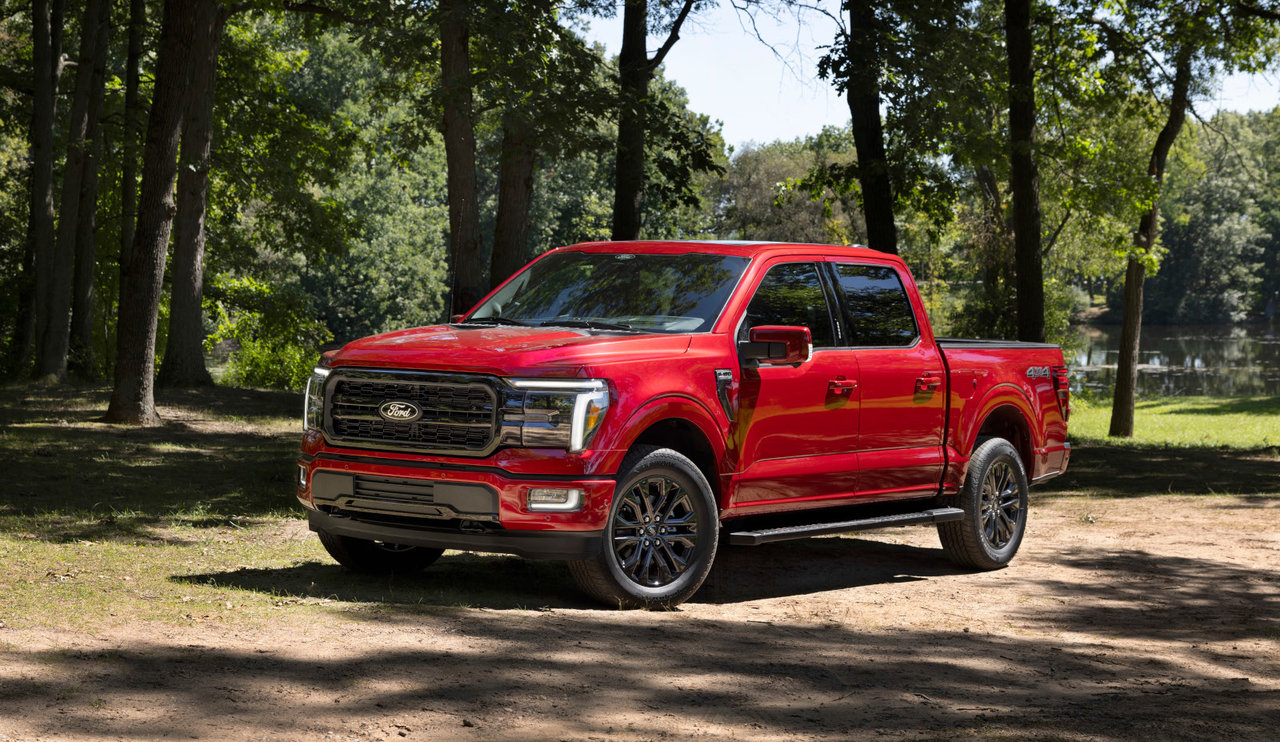
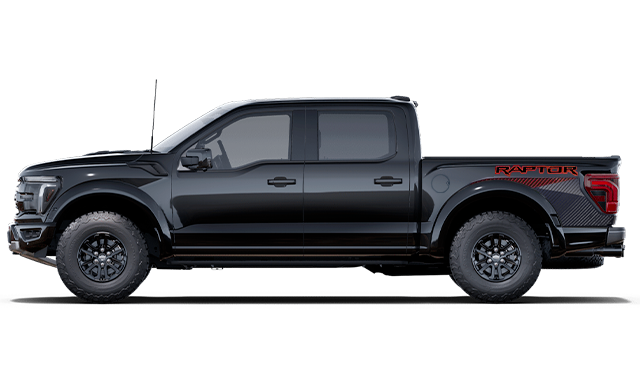
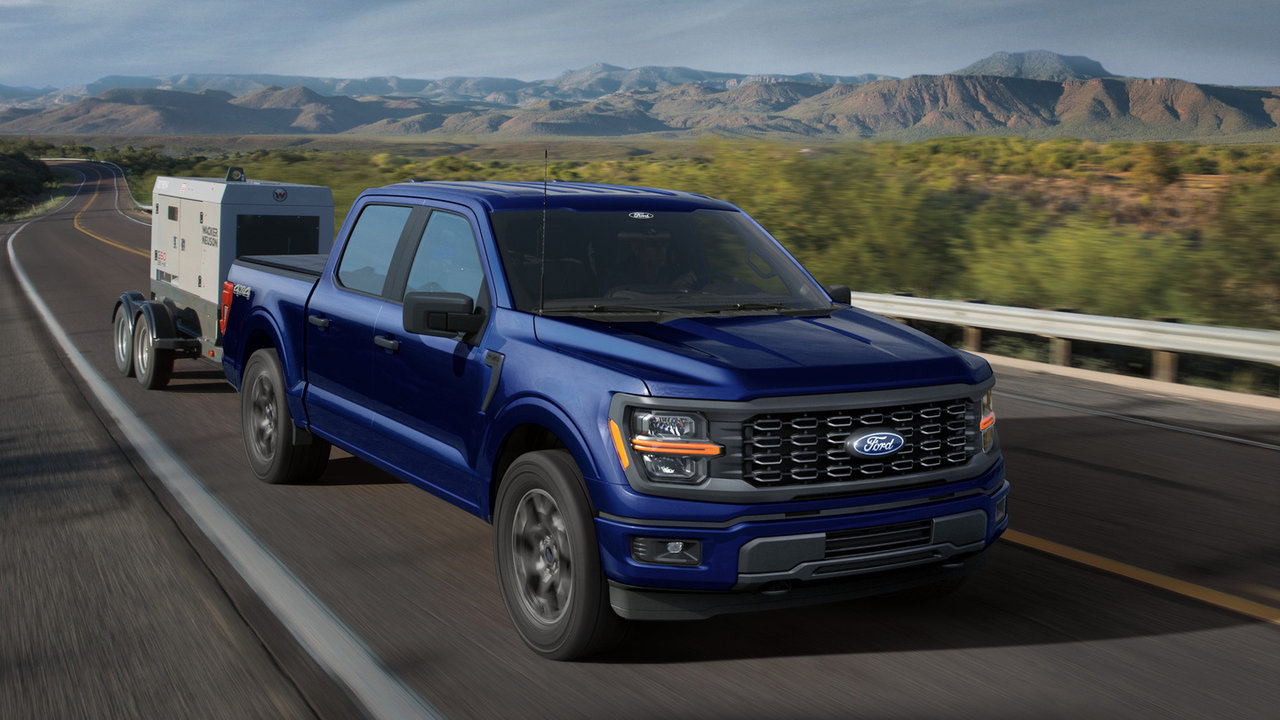
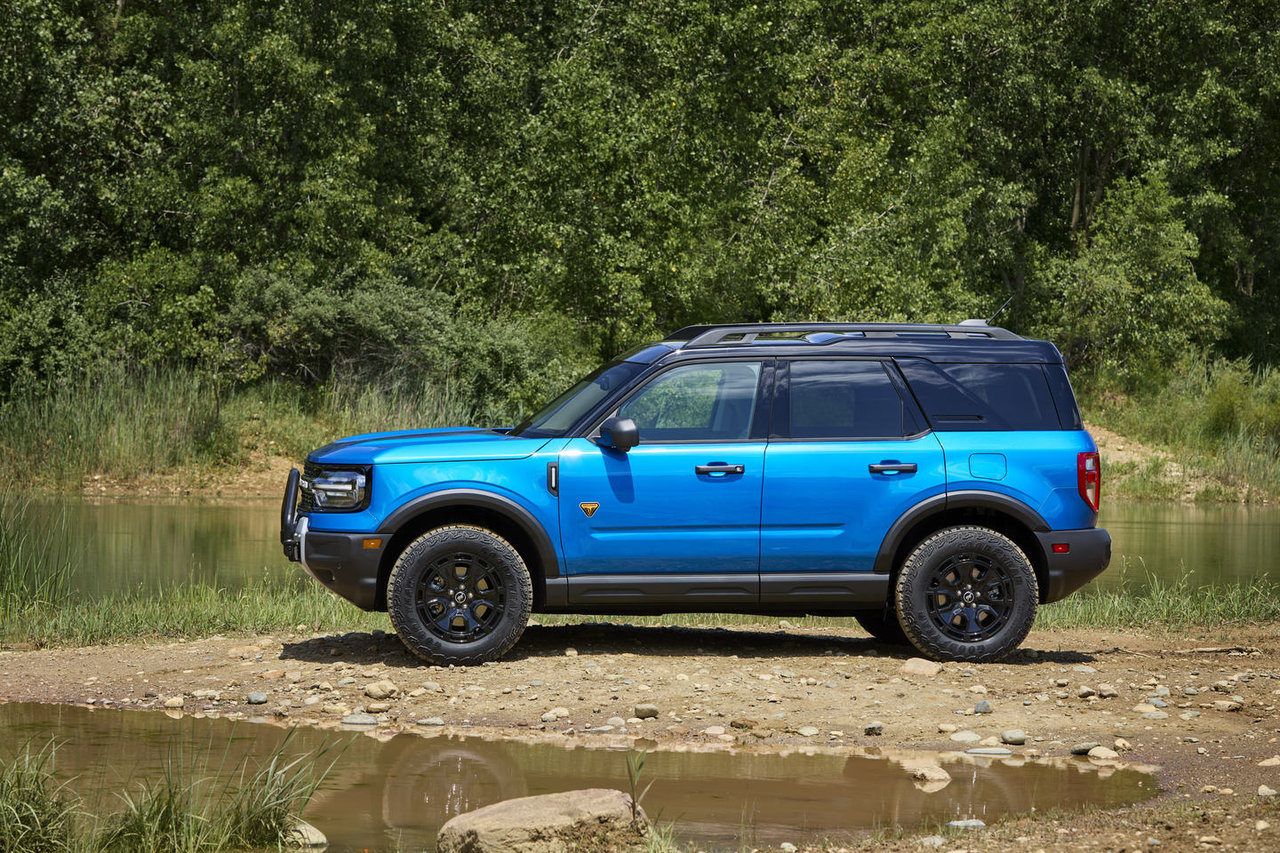
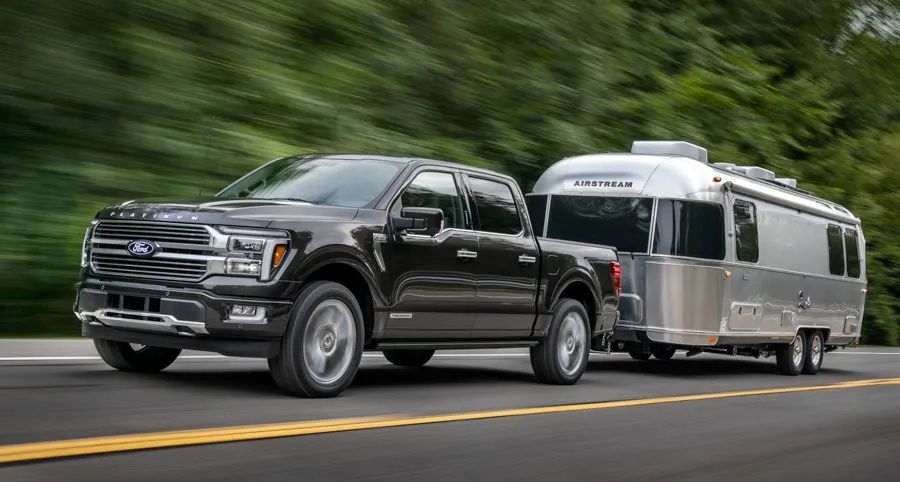
Towing in British Columbia often means steep grades, long highway stretches, and weather that can change halfway through a trip. The 2026 Ford F-150’s Tow/Haul Package is built around that reality. It is a set of hardware and control changes made for pulling a trailer, not a mode you flip on and forget. Here is what it actually adds under the truck.
What The Tow/Haul Package Actually Is
The Tow/Haul Package is physical hardware, paired with control logic, not a simple drive-mode toggle. It centres on two additions: an integrated trailer brake controller and an upgraded rear axle, either a 3.55 or 3.73 e-lock unit depending on the powertrain. Ford pairs this package with the Max Tow Axle upgrade to reach the F-150’s highest available tow rating, achieved on the XLT SuperCrew 4x4 6.5-foot box configuration.
That distinction matters. Tow/Haul also appears as one of up to eight selectable drive modes on the F-150 (alongside Normal, Sport, Eco, and off-road modes like Mud/Rut and Rock Crawl). The package is the hardware underneath that makes towing safer and more controlled in the first place.
How The Hardware Changes Control
The integrated trailer brake controller lets the truck apply braking directly to the trailer’s brakes from the cab, rather than relying on an aftermarket unit bolted under the dash. That means smoother, coordinated stops between truck and trailer instead of the truck’s brakes doing all the work while the trailer pushes from behind.
The e-lock rear axle adds a locking differential, so both rear wheels get power even if one loses traction, useful when a loaded trailer is pulling away from a wet boat ramp or a gravel work site. The axle ratio choice (3.55 or 3.73) also shifts the balance between towing strength and everyday driving, since a numerically higher ratio favours pulling power over highway cruising ease.
Why It Matters On Real Towing Days
Steep highway grades put continuous strain on brakes during a long descent with a loaded trailer. A trailer brake controller that applies the trailer’s brakes helps prevent the trailer from pushing the truck through corners or stops, which is where sway and brake fade tend to start.
Stop-and-go traffic near coastal routes and ferry queues adds another wrinkle: frequent starts and stops with a trailer attached wear on a driver’s attention. Smoother trailer braking and better rear-axle traction reduce the physical and mental load of managing a trailer through those stretches, which adds up on longer trips.
Towing And Payload By Engine
|
Engine
|
Max Towing
|
Max Payload
|
|
2.7 L EcoBoost V6
|
8,400 lbs (3,810 kg)
|
1,775 lbs (805 kg)
|
|
3.5 L PowerBoost Full Hybrid V6
|
11,600 lbs (5,261 kg)
|
1,740 lbs (789 kg)
|
|
5.0 L Ti-VCT V8
|
12,800 lbs (5,806 kg)
|
2,235 lbs (1,014 kg)
|
|
3.5 L EcoBoost V6
|
13,500 lbs (6,123 kg)
|
2,440 lbs (1,107 kg)
|
These figures shift with cab size, box length, and axle choice, which is exactly why the Tow/Haul Package and Max Tow Axle upgrade exist as separate options rather than a single fixed spec.
Which Powertrain And Cab Setup Pairs Best With It
The 3.5 L EcoBoost V6 posts the highest tow figure in the lineup and pairs with the SuperCrew 4x4 6.5-foot box configuration to unlock that ceiling, making it the engine most closely tied to serious, repeat towing. The 5.0 L V8 sits close behind with strong payload alongside its tow number, useful when the load itself is heavy rather than just the trailer.
The PowerBoost hybrid trades some payload for a towing figure well above the base 2.7 L, while offering the 3.5 L V6’s torque delivery through the 10-speed automatic. The 2.7 L V6 covers lighter trailers, small boats, and utility loads without needing the higher-output engines, and its own payload number holds up well relative to its tow rating.
Related Trailering Technology
The Tow/Haul Package works alongside, not instead of, the F-150’s broader trailering technology. Pro Trailer Hitch Assist steers, accelerates, and brakes the truck into position for one-person hitching. Pro Trailer Backup Assist lets the driver steer the trailer’s direction with a knob instead of the steering wheel. The Smart Trailer Tow Connector flags trailer light or battery issues on the cluster display, and Dynamic Hitch Assist provides an on-screen guide when backing up to align the hitch.
None of these replace the brake controller or the axle upgrade. They solve different parts of the towing job: hitching, backing, and monitoring, while the package handles braking and traction once the trailer is moving.
Who Benefits Most
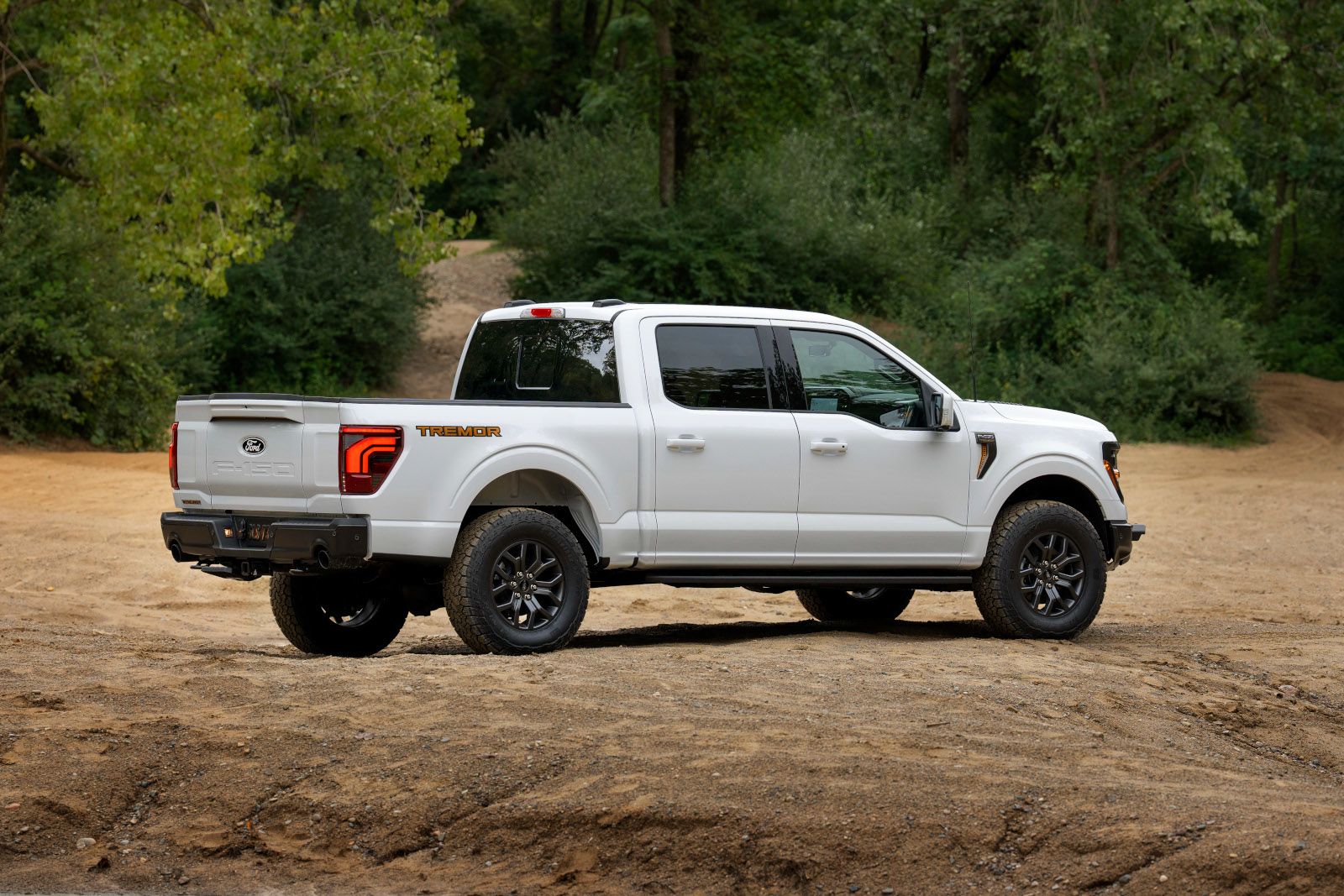
The package makes the most sense for buyers who tow often rather than occasionally: contractors moving equipment trailers between job sites, owners hauling boats to lakes and marinas, and anyone regularly pulling a travel trailer on longer routes. For light, infrequent loads, the base setup may cover the job without the added axle and controller hardware.
Think of the package as one part of a towing-first build, not a standalone answer. The right combination depends on trailer weight, how often it is towed, and which engine and cab configuration the truck is ordered with.
Building A Tow-Ready 2026 F-150
The Tow/Haul Package pairs an integrated trailer brake controller with an upgraded rear axle to change how the F-150 brakes and puts power down while towing. Matched to the right engine and cab setup, it turns a general-purpose truck into a dedicated tow rig.
Visit Suburban Motors Ford in Victoria to talk through trailer weight, engine choice, and axle options with the sales team, and find the F-150 configuration that fits how you actually tow.