Choosing between the 2026 Ford F-150 and Ram 1500 usually comes down to how the truck gets used, not just how it looks in the driveway. One buyer needs a truck that hauls gear to the jobsite every morning. Another wants something that tows a boat on weekends and still handles the daily commute.
Both trucks offer a wide spread of engines, cab configurations, and bed sizes. Here’s how the 2026 F-150 and Ram 1500 stack up where it actually matters for British Columbia drivers.
2026 F-150 vs Ram 1500: Side-by-Side
|
Spec
|
2026 Ford F-150
|
2026 Ram 1500
|
|
Max payload
|
2,440 lbs (1,107 kg)
|
Up to 1,790 lbs (812 kg), Sport trim
|
|
Base engine output
|
325 hp / 400 lb-ft (3.5L V6)
|
305 hp / 271 lb-ft (3.6L Pentastar V6 eTorque)
|
|
Available high-output engine
|
720 hp supercharged V8 (Raptor)
|
540 hp turbocharged inline-six (RHO, Tungsten)
|
|
Front legroom
|
1,115 mm
|
1,038.9 mm
|
|
Base combined fuel economy
|
12.0 L/100km
|
10.8 L/100km
|
|
Base ground clearance
|
210.8 mm
|
220 mm
|
|
Cargo box length
|
1,705 mm
|
1,711 mm
|
Payload, Power, and What Each Truck Is Built to Carry
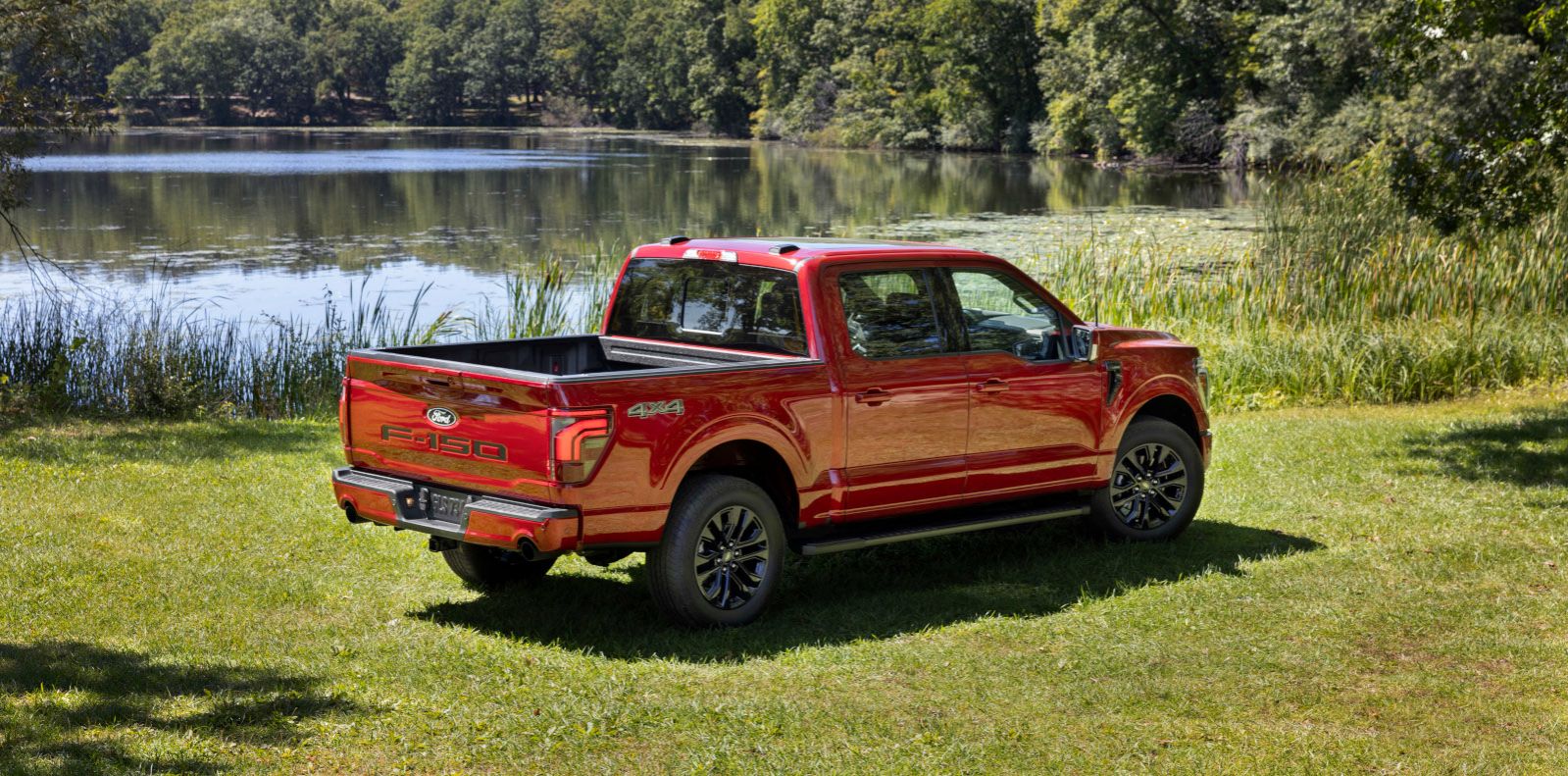
The F-150 is rated to haul up to 2,440 lbs (1,107 kg) of payload, well ahead of the Ram 1500’s best trim-level figure, the Sport, at 1,790 lbs (812 kg). That gap matters if the bed regularly carries tools, building supplies, or firewood rather than just passengers.
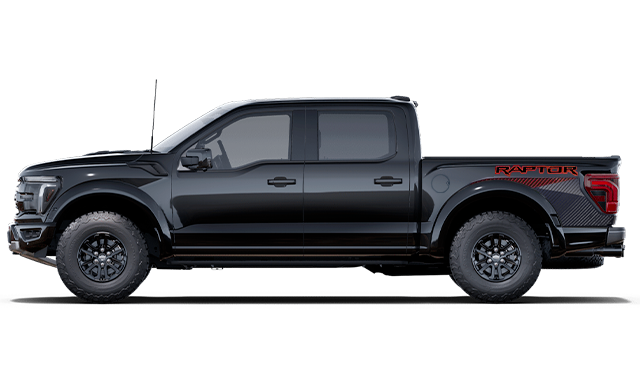
On power, the Ram counters with a 540-hp turbocharged inline-six available on the RHO and Tungsten trims, putting out 521 lb-ft of torque. The F-150 answers with the Raptor’s 720-hp supercharged V8, the highest output offered on either truck here.
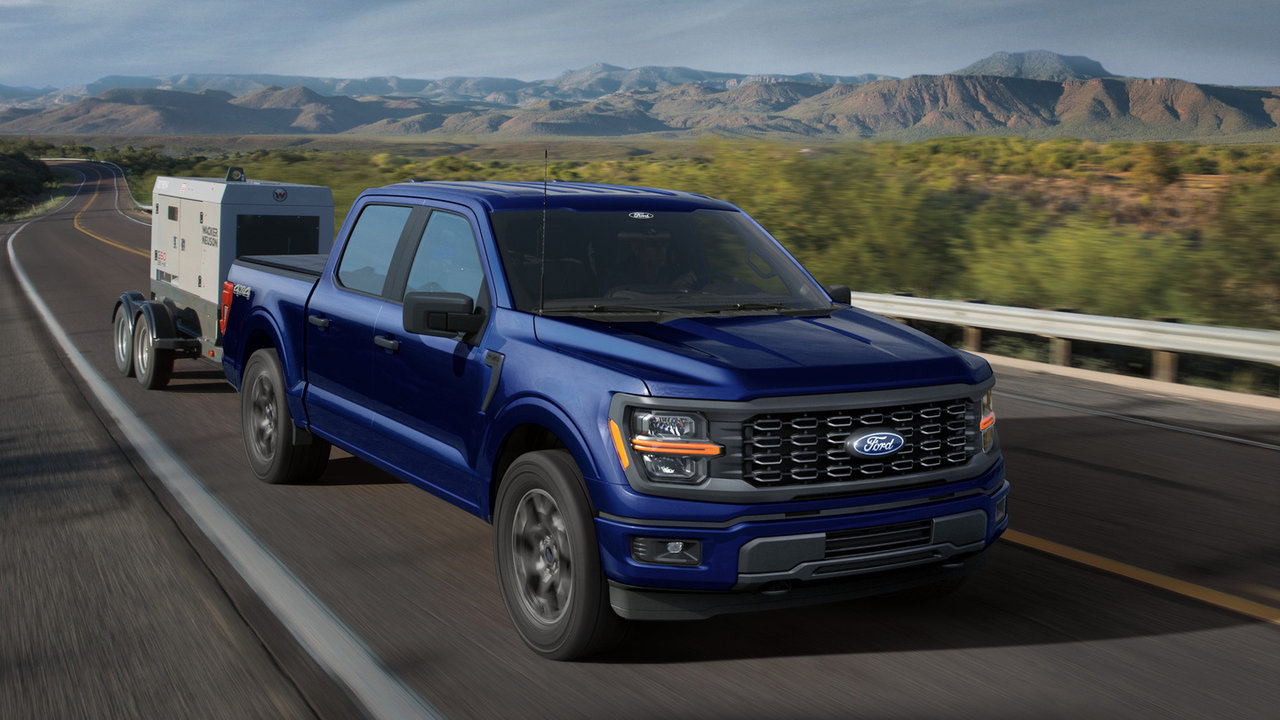
For buyers who want a simpler, work-first setup, the F-150’s base 3.5L V6 delivers 325 hp and 400 lb-ft, and is rated to tow up to 8,400 lbs (3,810 kg). Ram’s base 3.6L Pentastar V6 with eTorque produces 305 hp and 271 lb-ft, a modest step below on both figures.
Fuel Use and Day-to-Day Running Costs
The Ram’s base 3.6L Pentastar V6 posts a combined 10.8 L/100km, edging past the F-150’s base 3.5L V6 at 12.0 L/100km. That’s a real advantage for buyers who mostly commute and rarely load the bed.
But the F-150’s payload edge means fewer trips when the truck is actually working, and its 3.5L V6 still runs on regular fuel. Ram’s higher-output turbo-six engines step up to premium, narrowing that day-to-day cost gap once you move past the base engine.
The F-150 Tremor posts a combined 13.3 L/100km, while the Raptor lands at 15.8 L/100km, figures that reflect what those off-road-focused builds are actually built for: capability first.
Cab Room, Bed Size, and Everyday Fit
Inside, the F-150 offers 1,115 mm of front legroom, ahead of the Ram’s 1,038.9 mm. For anyone spending long stretches behind the wheel, that difference shows up on longer highway runs around British Columbia.
The two trucks are close on bed length, with the F-150’s box at 1,705 mm and the Ram’s at 1,711 mm. Ground clearance leans slightly toward the Ram at 220 mm versus the F-150’s 210.8 mm at the base level, but the F-150 answers with its own off-road-tuned Tremor and Raptor packages, plus up to eight selectable drive modes, for drivers who need more than a stock ride height.
Both trucks fit a standard driveway and garage without issue in typical Crew Cab configurations, so the choice usually comes down to what’s happening in the bed and cabin, not the footprint.
Tech That Actually Helps on B.C. Highways
The F-150 pairs a customizable digital cluster with a 12-inch centre display and an available head-up display that projects speed and driver-assist details onto the windshield. Ford Co-Pilot360 adds automatic emergency braking, blind-spot monitoring with trailer coverage, and adaptive cruise control with lane centring.
For drivers who tow trailers regularly or commute on multi-lane highways, BlueCruise adds hands-free highway driving on supported routes, while the Trailer Coverage extension on the blind-spot system keeps an eye on what’s behind a loaded trailer, not just the truck itself.
Why the F-150 Fits British Columbia Drivers
For jobsite use, the F-150’s payload rating and regular-fuel base V6 keep costs predictable while still carrying more than any Ram 1500 trim listed here. For towing and mixed-use ownership, the available 3.5L V6 and its 8,400-lb (3,810 kg) rating cover trailers, boats, and weekend hauling without stepping up to a premium-fuel engine.
Families and daily commuters get more front legroom than the Ram offers, along with driver-assistance tech built around real highway conditions, from BlueCruise to trailer-aware blind-spot monitoring. Whether the truck spends its week on a jobsite or its weekends on the highway, the F-150’s combination of payload, cabin room, and available power gives British Columbia buyers the most flexibility in one truck.
Find Your 2026 F-150 in Victoria
The 2026 F-150 pairs a broad engine lineup, from a regular-fuel V6 to the 720-hp Raptor, with payload and cabin room that stand out in the full-size truck class. It’s built to handle jobsite duty, towing, and daily commuting without asking the owner to compromise.
Visit Suburban Motors Ford in Victoria to see the 2026 F-150 lineup in person and find the configuration that matches how you actually use a truck.