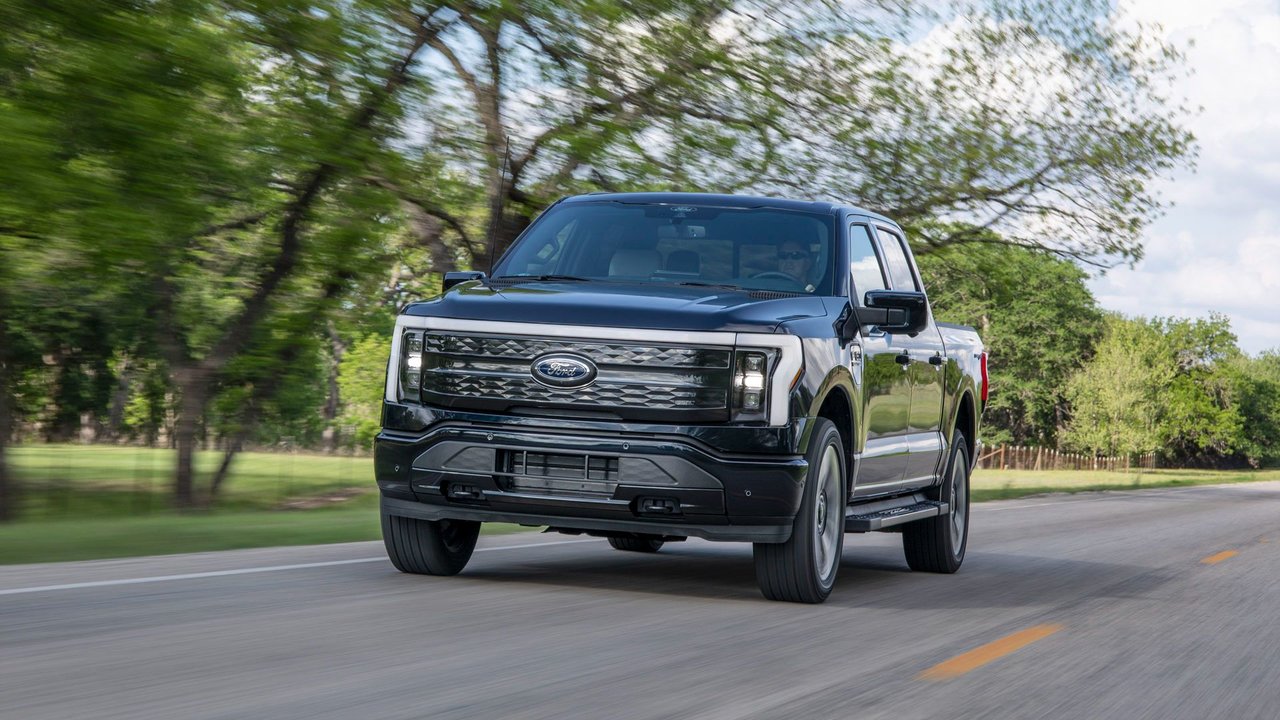
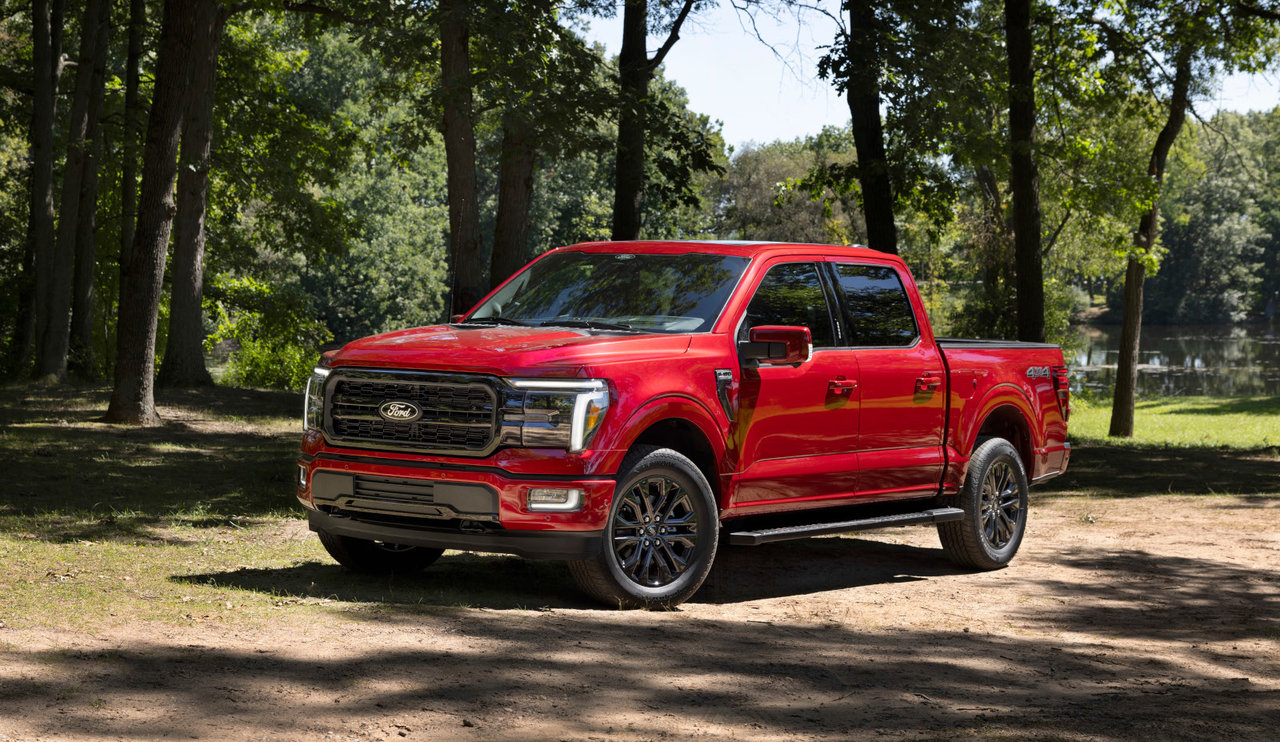
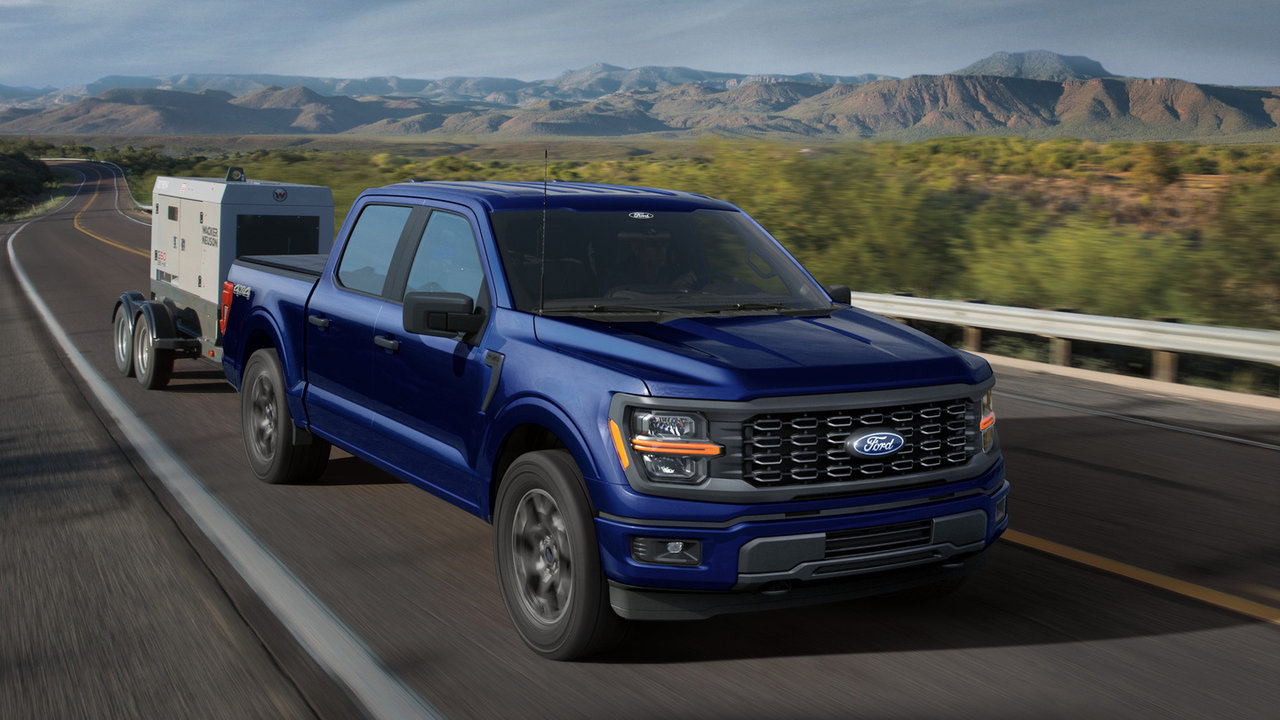
Ford just dropped a December surprise that has BC truck buyers talking: the next-generation F-150 Lightning will arrive with Extended Range Electric Vehicle (EREV) technology. This isn't your typical hybrid setup—it's a full electric truck with a generator backup that promises to eliminate range anxiety while keeping the instant torque and smooth acceleration that made the original Lightning a hit.
If you've been following electric pickups but hesitated due to towing range concerns, this announcement changes the conversation. Here are seven key details about the F-150 Lightning EREV that didn't make the headlines.
1. It's 100% Electric Propulsion—Not a Traditional Hybrid
The Lightning EREV uses electric motors exclusively for propulsion. Unlike the F-150 PowerBoost Hybrid (which combines a 3.5 L V6 engine with an electric motor for 430 hp and 570 lb-ft of torque), the EREV never routes power mechanically from the generator to the wheels.
The onboard generator exists solely to charge the battery pack while driving. This means you get pure EV driving characteristics—instant torque delivery, quiet operation, and regenerative braking—without the compromises of a conventional hybrid powertrain that switches between gas and electric modes.
2. Estimated 700+ Mile Range Solves the Towing Challenge
Current electric pickups face a harsh reality: towing cuts range dramatically. The next-generation Lightning EREV targets an estimated range exceeding 1,126 kilometres (700 miles) with the generator active.
For context, the 2026 F-150 with the 3.5 L PowerBoost Hybrid delivers 11,600 lbs (5,262 kg) of maximum towing capacity with a 115 L fuel tank. The EREV's extended range means you can tow a camper from Victoria to the Interior without planning charging stops—a genuine shift for electric truck capability in British Columbia.
3. Pro Power Onboard Capability Carries Over
One of the most practical features from the current Lightning—exportable power—will return in the EREV. The truck can supply electricity to worksites, campsites, or your home during an outage.
For reference, the 2026 F-150 PowerBoost Hybrid offers:
- 2.4 kW standard on hybrid models
- 7.2 kW optional (enough to run a framing crew or mobile workshop)
Expect similar or enhanced capability in the Lightning EREV, making it a mobile power station regardless of location—from remote jobsites to winter storm outages.
4. Production Stays at the Rouge Electric Vehicle Center
Ford confirmed the next-generation Lightning EREV will be assembled at the Rouge Electric Vehicle Center in Dearborn—the same facility that built the original Lightning. This continuity suggests Ford is committed to scaling EREV production using existing infrastructure rather than building entirely new plants.
Production of the current F-150 Lightning ends this year, with the EREV expected to follow in the near future. Ford has not yet announced specific launch timing or pricing.
5. It's Different from the Gas F-150 Lineup
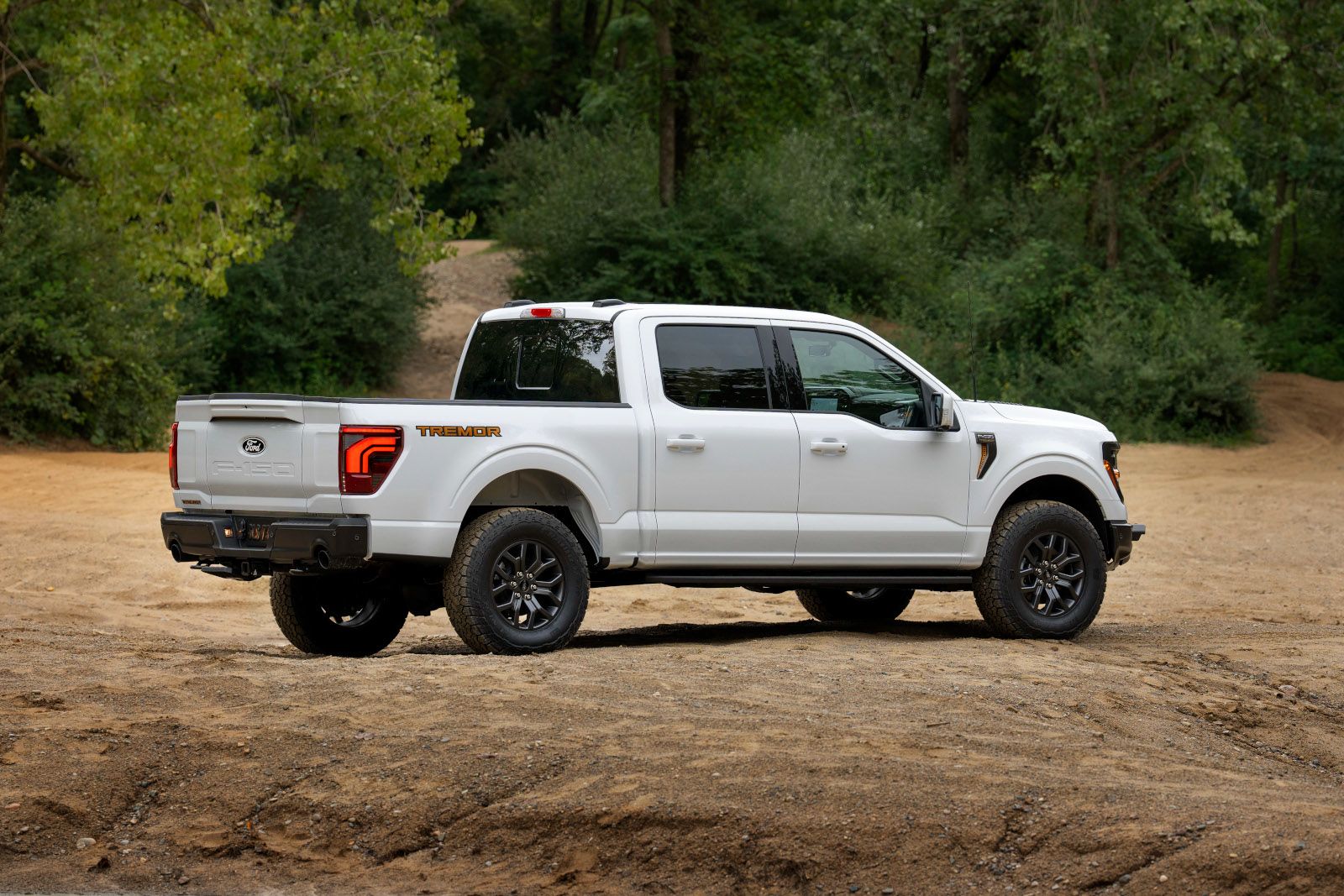
The 2026 F-150 offers six engine options ranging from the 2.7 L EcoBoost V6 (325 hp, 400 lb-ft) to the Raptor R's 5.2 L Supercharged V8 (720 hp, 640 lb-ft). The Lightning EREV sits in a separate category—it's not replacing any gas F-150 trim, but rather expanding the F-Series family with a distinct powertrain philosophy.
Quick Comparison:
|
Feature
|
2026 F-150 (Gas/Hybrid)
|
F-150 Lightning EREV
|
|
Propulsion
|
Gas engine or hybrid system
|
100% electric motors
|
|
Max Towing
|
13,500 lbs (6,124 kg)
|
TBD
|
|
Estimated Range
|
Up to 1,126 km (700 mi) with 136 L tank (Hybrid)
|
1,126+ km (700+ mi) with generator
|
|
Pro Power Onboard
|
Up to 7.2 kW (Hybrid)
|
Expected similar or enhanced
|
6. Heavy-Duty Towing Gets a Boost
Ford's announcement emphasized that the EREV "tows like a locomotive." While exact towing specs haven't been released, the implication is clear: the Lightning EREV will match or exceed the current F-150's capabilities without the range penalty that affects battery-only EVs.
For British Columbia drivers who tow boats to the coast or RVs through the mountains, this addresses the single biggest barrier to electric truck adoption. You maintain full towing capability without needing to locate fast chargers mid-trip.
7. Launch Details Are Still Coming
Ford has been deliberately vague about specifics—no pricing, no exact launch date, no detailed specs. What we know:
- Production of the current Lightning ends in 2025
- The EREV will be revealed "at a later date"
- It represents a "significant expansion" of Lightning capability
For Victoria-area buyers interested in the EREV, this means staying connected with your local Ford dealer for updates as Ford releases more information through 2026.
What This Means for BC Truck Buyers
The F-150 Lightning EREV targets a specific gap in the market: drivers who want electric performance but need gas-like range and towing capability. It's not for everyone—if you primarily drive short distances and can charge at home, a standard EV or plug-in hybrid like the F-150 PowerBoost (which delivers 10.4 L/100 km combined in 4x4 configuration) might still make more sense.
But if your truck needs to handle long-haul towing, remote worksites, or extended trips through areas with limited charging infrastructure, the EREV's generator-backed range changes the equation entirely.
Stay Informed About the F-150 Lightning EREV
The next-generation F-150 Lightning EREV demonstrates Ford's commitment to making electric trucks work for real-world truck buyers. As more details emerge about pricing, specifications, and availability, our team at Suburban Motors Ford in Victoria will keep you updated.
Contact us to learn more about the current F-150 lineup and to be notified when the Lightning EREV becomes available for order in British Columbia.