The 2025 Ford F-150 offers two high-output 3.5-litre engine options that serve different purposes for truck buyers in British Columbia. The standard 3.5L EcoBoost V6 delivers 400 horsepower and 500 lb-ft of torque, while the PowerBoost Hybrid adds an electric motor to produce 430 horsepower and 570 lb-ft of torque. Both pair with the 10-speed automatic transmission and work across all cab and bed configurations.
Understanding which engine suits your needs requires examining how you'll use the truck. The questions below help clarify whether maximum towing capacity, onboard power generation, or fuel efficiency in stop-and-go traffic matters most for your driving patterns around Vancouver Island.
At a Glance: 3.5L EcoBoost vs. PowerBoost Hybrid
|
Specification
|
3.5L EcoBoost V6
|
3.5L PowerBoost Hybrid
|
|
Horsepower
|
400 hp @ 6,000 rpm
|
430 hp @ 6,000 rpm
|
|
Torque
|
500 lb-ft @ 3,100 rpm
|
570 lb-ft @ 3,000 rpm
|
|
Max Towing Capacity
|
6,123 kg (13,500 lbs)
|
5,080 kg (11,200 lbs)
|
|
Max Payload Capacity
|
1,106 kg (2,440 lbs)
|
794 kg (1,750 lbs)
|
|
Pro Power Onboard
|
Up to 2.0 kW (optional)
|
2.4 kW or 7.2 kW
|
|
Transmission
|
10-speed automatic
|
10-speed automatic
|
|
Fuel Type
|
Regular gasoline
|
Regular gasoline + electric motor
|
Do You Need Maximum Towing Capacity?
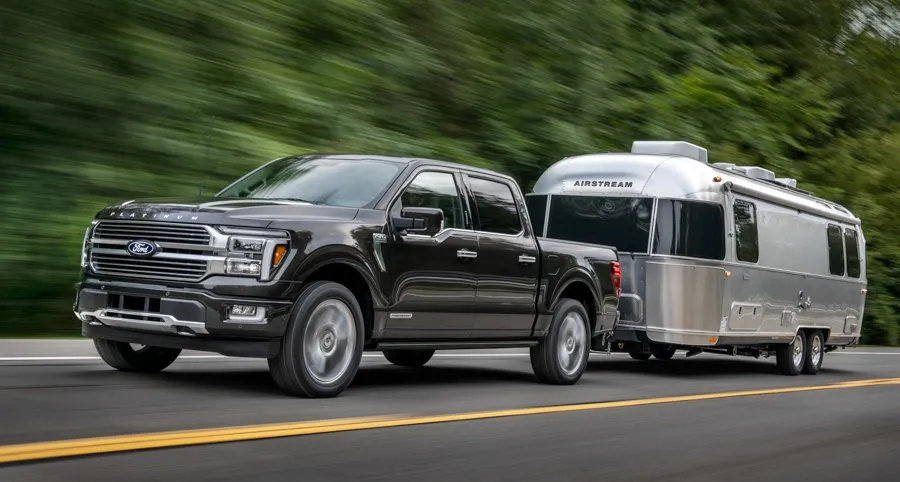
The 3.5L EcoBoost V6 holds the advantage for heavy towing applications. With a maximum capacity of 6,123 kg (13,500 lbs) when properly equipped with the Tow/Haul Package and Max Tow Axle, it handles larger boat trailers, fifth-wheels, and equipment trailers that exceed what the hybrid can pull.
The PowerBoost Hybrid maxes out at 5,080 kg (11,200 lbs). This difference of roughly 1,043 kg (2,300 lbs) matters when your trailer approaches the upper limits of capability. If you regularly tow above 5,080 kg (11,200 lbs), the standard EcoBoost is the clear choice.
For lighter towing needs—travel trailers, smaller boats, or utility trailers—the PowerBoost Hybrid provides sufficient capacity while offering other benefits.
Will You Use Onboard Power Generation?
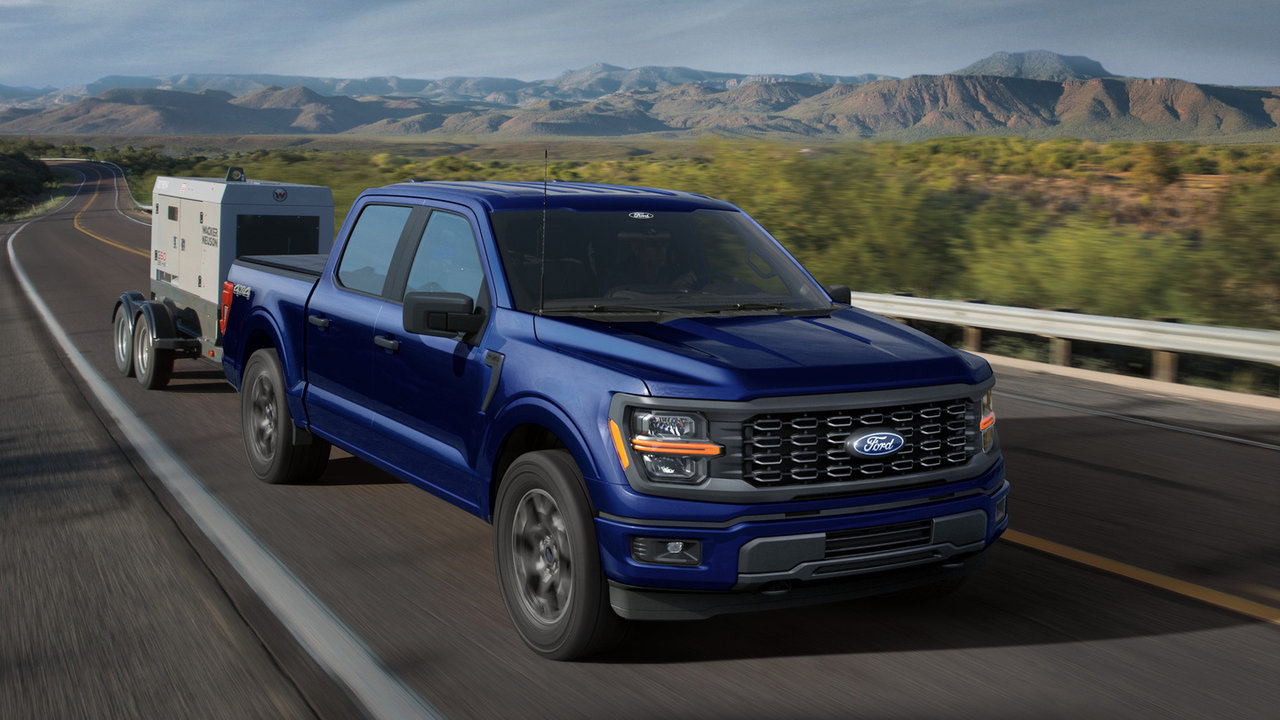
Pro Power Onboard separates these two engines most dramatically. The PowerBoost Hybrid offers either 2.4 kW or 7.2 kW of exportable power, turning your truck bed into a mobile generator. The 7.2 kW system runs:
- Multiple power tools simultaneously on construction sites
- Welding equipment at remote locations
- Camping equipment without a separate generator
- Emergency backup power during outages
The standard 3.5L EcoBoost offers Pro Power Onboard as an optional feature, but only up to 2.0 kW. This runs smaller tools and charges devices but can't handle the same workload as the hybrid's 7.2 kW system.
Job sites without grid power access benefit substantially from the hybrid's higher output. Contractors working in remote areas around Victoria or up-island find this feature eliminates the need to transport and maintain a separate generator.
How Important Is Payload Capacity?
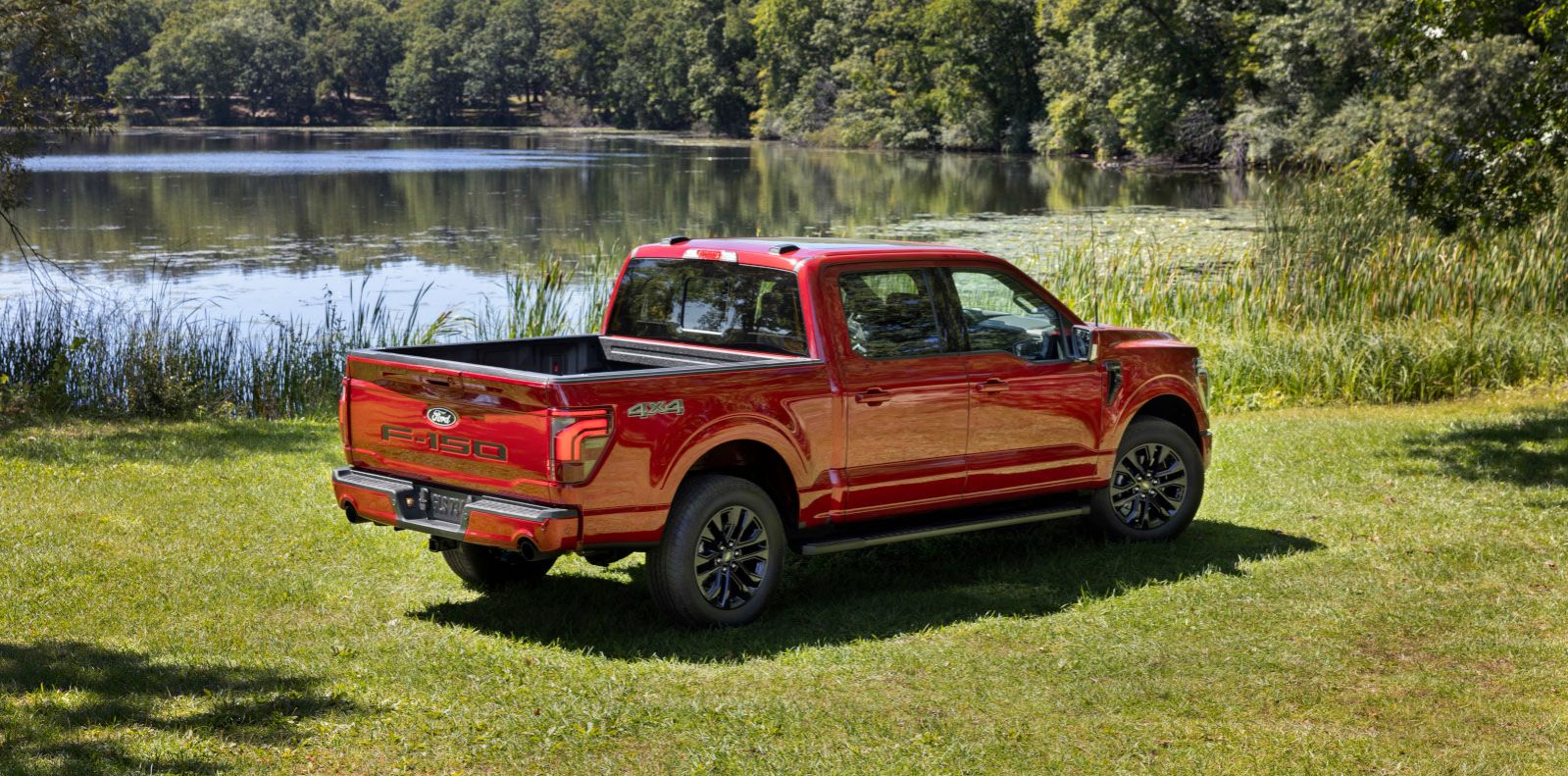
The 3.5L EcoBoost V6 delivers a maximum payload of 1,106 kg (2,440 lbs), which exceeds the PowerBoost Hybrid's 794 kg (1,750 lbs) by 312 kg (690 lbs). This difference affects how much weight you can carry in the bed when you need maximum capacity.
Heavy equipment haulers, landscape crews carrying dense materials, or anyone regularly maxing out bed capacity should factor this into their decision. The standard EcoBoost handles heavier loads without approaching payload limits.
The hybrid's lower payload results from the additional weight of its battery pack and electric motor components. For many applications—tool storage, lighter materials, or mixed-use scenarios—794 kg (1,750 lbs) still provides substantial carrying capacity.
Does Stop-and-Go Traffic Define Your Drive?
Victoria's urban traffic patterns and the frequent stops around town favour hybrid powertrains. The PowerBoost system captures energy during braking that would otherwise turn into heat and waste. This regenerative braking recharges the battery, which then assists the gas engine during acceleration.
The electric motor's instant torque helps the truck move from stops more efficiently than gas-only operation. In heavy traffic, at job sites with frequent repositioning, or during deliveries with multiple stops, the hybrid's powertrain reduces fuel consumption compared to the standard EcoBoost.
Highway driving negates many of these advantages. At steady cruising speeds on the Island Highway or the Trans-Canada, both engines operate at similar efficiency levels. Your typical driving environment determines whether the hybrid's efficiency gains justify its higher purchase price.
What's Your Budget for the Initial Purchase?
The PowerBoost Hybrid costs more than the standard 3.5L EcoBoost V6. This premium buys you additional horsepower, torque, and the Pro Power Onboard system, but it requires evaluating your return on investment.
Calculate potential fuel savings based on your annual mileage and typical driving conditions. Factor in whether you'll use the Pro Power Onboard system regularly enough to offset not purchasing a separate generator. Consider whether you need maximum towing capacity or if the hybrid's limits work for your applications.
The EcoBoost V6 provides strong performance at a lower entry cost. It delivers the highest towing and payload ratings in the F-150 lineup without hybrid complexity. Buyers who prioritize maximum capability and lower initial investment choose this engine.
Which Engine Configuration Works with Your F-150 Build?
Both engines pair with every cab style (Regular Cab, SuperCab, SuperCrew) and bed length (5.5-foot, 6.5-foot, 8-foot). This compatibility means your choice doesn't restrict your truck's overall configuration.
The 10-speed automatic transmission works with both engines and includes Selectable Drive Modes. These modes adjust throttle response, shift points, and other parameters for different driving conditions.
Whether you need a Regular Cab with an 8-foot bed for maximum cargo space or a SuperCrew with a 5.5-foot bed for passenger room, both engines integrate into your preferred setup. This flexibility lets you prioritize engine features without compromising on cab and bed requirements.
Which Engine Serves British Columbia Drivers Best?
The 3.5L EcoBoost V6 suits buyers who need maximum towing capacity above 5,080 kg (11,200 lbs), highest payload ratings, and the lowest purchase price. It excels for heavy equipment transport, large trailer towing, and applications where capability takes priority over fuel efficiency.
The PowerBoost Hybrid fits drivers who work at remote job sites requiring substantial onboard power, operate in stop-and-go traffic patterns around Victoria, or prioritize fuel efficiency without sacrificing strong performance. The additional 30 horsepower and 70 lb-ft of torque provide quick acceleration, while the Pro Power Onboard system eliminates generator needs.
Both engines deliver reliable performance with the 10-speed automatic transmission. Your decision rests on whether maximum towing and payload capacity or onboard power generation and improved urban efficiency better matches your actual truck use in British Columbia.
Experience Both Powertrains at Suburban Motors Ford
Visit our team in Victoria to test drive the 2025 F-150 with both the 3.5L EcoBoost and PowerBoost Hybrid engines. Our product specialists can show you the Pro Power Onboard system in action and help you determine which powertrain matches your specific towing, hauling, and work requirements on Vancouver Island.